



Air filters play a critical role in keeping your HVAC system running smoothly, improving your indoor air quality, and protecting your family’s health. But with so many types and ratings available, choosing the right filter can feel overwhelming. At TemperaturePro Saskatoon, we help homeowners make informed choices every day. Here’s what you need to know.
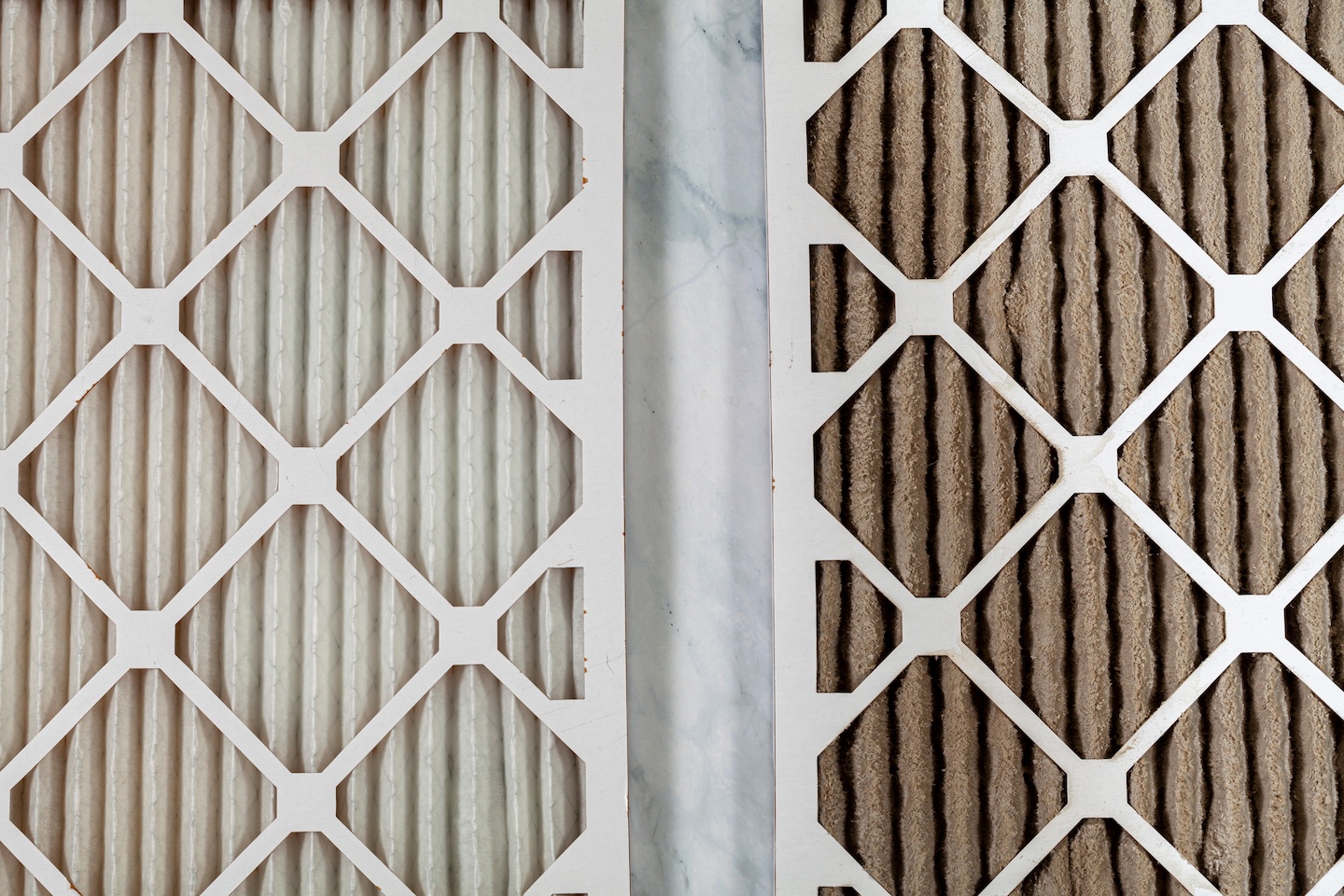
Why Do Air Filters Matter?
Your HVAC filter does more than catch dust—it protects your system and improves the air you breathe:
- Protects your equipment: Filters prevent dust and debris from clogging the furnace and AC components.
- Improves air quality: They trap allergens like pollen, pet dander, and mold spores.
- Boosts efficiency: A clean, properly sized filter keeps airflow strong, and lowers energy costs.
What are MERV Ratings?
The MERV rating (Minimum Efficiency Reporting Value) measures a filter’s ability to capture particles:
- MERV 1–4: Basic protection; captures large dust and lint. Suitable for low-demand systems.
- MERV 5–8: Good household protection; captures mold spores, pet dander, and most allergens.
- MERV 9–12: Higher efficiency; excellent for homes with pets or allergy sufferers.
- MERV 13+: Hospital-grade filtration; captures very fine particles, including some bacteria and smoke.
✅ Tip from TemperaturePro Saskatoon: Most homes perform well with a MERV 5–9 filter. Higher ratings can restrict airflow if your system isn’t designed for them and can put undo stress on components like blower motors resulting in failures—always consult your HVAC technician if you have questions.
Types of Air Filters
- Fiberglass (Disposable): Inexpensive, but low efficiency. Protects equipment more than your air quality.
- Pleated (Disposable): Popular choice; balances affordability and performance when the proper MERV rating for your system is used.
- Electrostatic (Washable or Disposable): Attracts particles with static charge; reusable versions save money long-term.
- HEPA Filters: Superior filtration but not compatible with most residential systems unless modified. Modifications for HEPA filters can not be done on every system. Always consult a licensed HVAC technician before planning for any modifications.
How Often Should You Replace Filters?
- Every 1–3 months for standard fiberglass or pleated filters.
- More frequently if you have pets, allergies, or live in a dusty environment.
- Washable filters should be cleaned monthly and fully dried before reinsertion.
Choosing the Right Filter for Your Saskatoon Home
When selecting your filter, consider:
- Household needs: Do you have pets, smokers, or allergy sufferers?
- System compatibility: High-MERV filters may not suit every furnace.
- Budget vs. performance: Washable filters cost more upfront but reduce long-term waste.
Final Thoughts
The right filter makes a big difference in both comfort and efficiency. At TemperaturePro Saskatoon, we recommend filters that strike the perfect balance for our climate and your family’s needs.
Need help choosing or installing the right filter? Our certified HVAC experts are here to guide you. Contact TemperaturePro Saskatoon today for personalized recommendations and professional service.
