



What Is SEER Rating for AC and Why It Matters for Your Tulsa Home
If you’ve ever shopped for a new air conditioner, you’ve probably seen a number followed by the letters SEER and wondered what it actually means. So what is SEER rating for AC systems, and why should you care? SEER stands for Seasonal Energy Efficiency Ratio, and it tells you how efficiently your air conditioner cools your home over the course of a typical season.
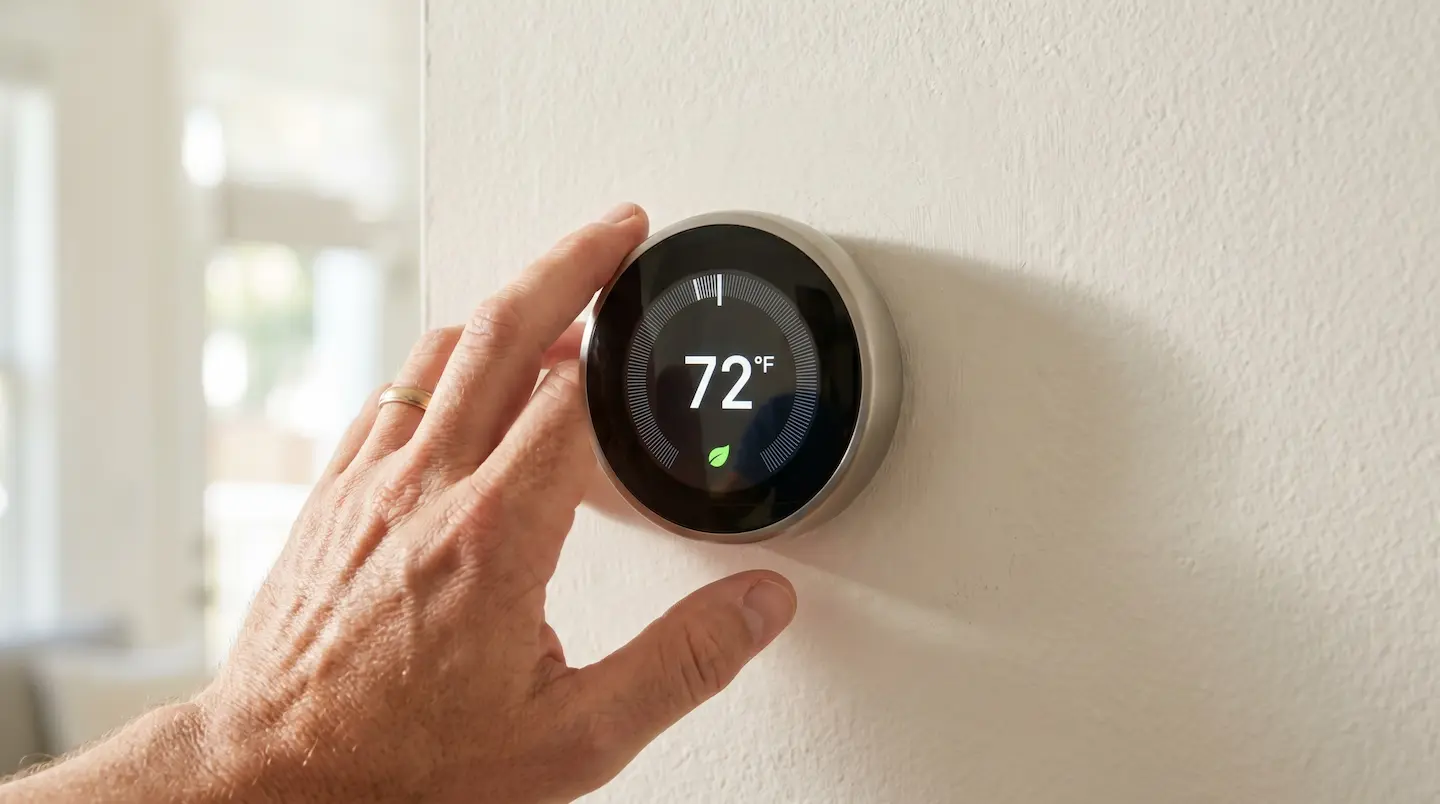
The higher the number, the less energy your system uses to keep you comfortable. For Tulsa homeowners dealing with long, humid summers, that number can make a real difference in both comfort and your monthly utility bill.
What Is SEER Rating, Exactly?
SEER measures the cooling output of your air conditioner divided by the energy it consumes over a season, rather than just a single moment in time. Think of it like miles per gallon for your car, except instead of tracking how far you go on a tank of gas, it tracks how much cool air you get for the electricity you use. A unit with a higher SEER rating gets more cooling out of every dollar spent on energy.
Older AC units in Tulsa homes often carry SEER ratings of 8 to 10, while today’s systems commonly start around 14 and climb well into the 20s for premium models.
Why SEER Matters More in Tulsa Summers
Tulsa summers are no joke. Between the heat and the humidity, your AC unit works overtime for months at a stretch, which means an inefficient system gets punished twice: once by the workload and again by the utility bill. A low SEER unit has to run longer and harder to keep your house at a comfortable temperature, and that added strain also tends to shorten the system’s lifespan. Choosing a higher SEER rating isn’t just about saving money, it’s about giving your equipment an easier job so it lasts longer and keeps your home comfortable through every 100 degree stretch.
Energy Efficient HVAC Systems: What SEER Rating Should You Look For?
When you’re comparing energy efficient HVAC systems, the SEER rating is one of the first specs to check, but it shouldn’t be the only one. A few things to keep in mind as you shop:
- Federal minimums for new systems have risen in recent years, so most new units you’ll find already sit above the old baseline.
- A higher SEER rating usually means a higher upfront cost, but the energy savings can offset that difference over time.
- Your home’s size, insulation, and ductwork all affect how much benefit you’ll actually see from a higher rated system.
- Pairing a high SEER unit with a properly sized system matters just as much as the rating itself. An oversized or undersized unit won’t perform the way its SEER number suggests.
A trusted technician can walk you through which SEER range makes sense for your specific home rather than just chasing the highest number on the shelf. Temperature Pro’s AC installation team can help you compare options based on your home’s actual needs.
New AC Unit Cost in Tulsa, OK
One of the first questions homeowners ask is what a new AC unit cost in Tulsa OK actually looks like once you factor in efficiency. Higher SEER units do tend to carry a higher price tag, but the math isn’t always as simple as sticker price. Between potential utility rebates, tax incentives for efficient equipment, and the long term energy savings, a more efficient system often costs less over its lifetime even if the upfront number is bigger.
Local installation costs also vary depending on the size of your home, the condition of your existing ductwork, and whether any modifications are needed to accommodate a new system. Getting a home assessment is the most reliable way to know what you’re actually looking at.
Signs Your Current AC Might Be Costing You More Than You Realize
Not sure if your current system is due for an upgrade? A few common signs Tulsa homeowners run into include:
- Utility bills that climb noticeably during peak summer months without a clear reason.
- An AC unit that’s more than 10 to 12 years old.
- Frequent repairs or a technician mentioning your system is running low on efficiency.
- Uneven cooling between rooms, even when the thermostat is set correctly.
If any of that sounds familiar, it might be worth having someone take a look before the next heat wave hits.
Let a Local Pro Help You Choose the Right SEER Rating
Every home is a little different, and the right SEER rating for your neighbor’s house isn’t necessarily the right one for yours. The team at Temperature Pro Tulsa can evaluate your home, walk you through your options, and help you find a system that balances comfort, efficiency, and cost the way it should. Ready to talk through your options? Schedule a free consultation and get a straight answer on what fits your home and your budget.
Frequently Asked Questions
What is a good SEER rating for a Tulsa home?
Most Tulsa homeowners do well with a SEER rating of 15 or higher given the length and intensity of the local cooling season, though your specific home and budget will factor into the right choice.
Does a higher SEER rating always mean lower bills?
Generally yes, but the savings depend on proper installation, correct sizing, and your home’s insulation and ductwork condition.
How often should I replace my AC unit?
Most systems last 12 to 15 years, though older, lower SEER units may be worth replacing sooner if repair costs start piling up.
The Bottom Line on SEER Ratings
At the end of the day, SEER rating is really just a shortcut for how hard your AC has to work to keep your Tulsa home comfortable. A higher rating means lower energy bills, less strain on your system, and a better shot at avoiding costly repairs down the road. Whether you’re troubleshooting a rising utility bill or planning ahead for a new AC unit cost in Tulsa OK, understanding SEER gives you a clearer picture of what you’re actually paying for and what you’re getting in return.
When in doubt, lean on a local pro to help match the right rating to your home rather than guessing based on the sticker alone.
