

Your furnace, like any large part of your HVAC system, is made up of various components that work together to keep your home warm during the cold winter months. One of the most important parts of that system, and the part that brings everything together to work in unison, is your furnace control board. While many homeowners never even see it, this small electronic board plays an essential role in how your furnace operates.
If you notice your furnace acting strangely or not working properly, the control board is one of the first components technicians will inspect to determine what’s wrong. Understanding what the control board does and how it functions can help you to recognize potential issues early and know when it is time to call a professional to get your system running efficiently as quickly as possible.

Why the Furnace Control Board Is Important
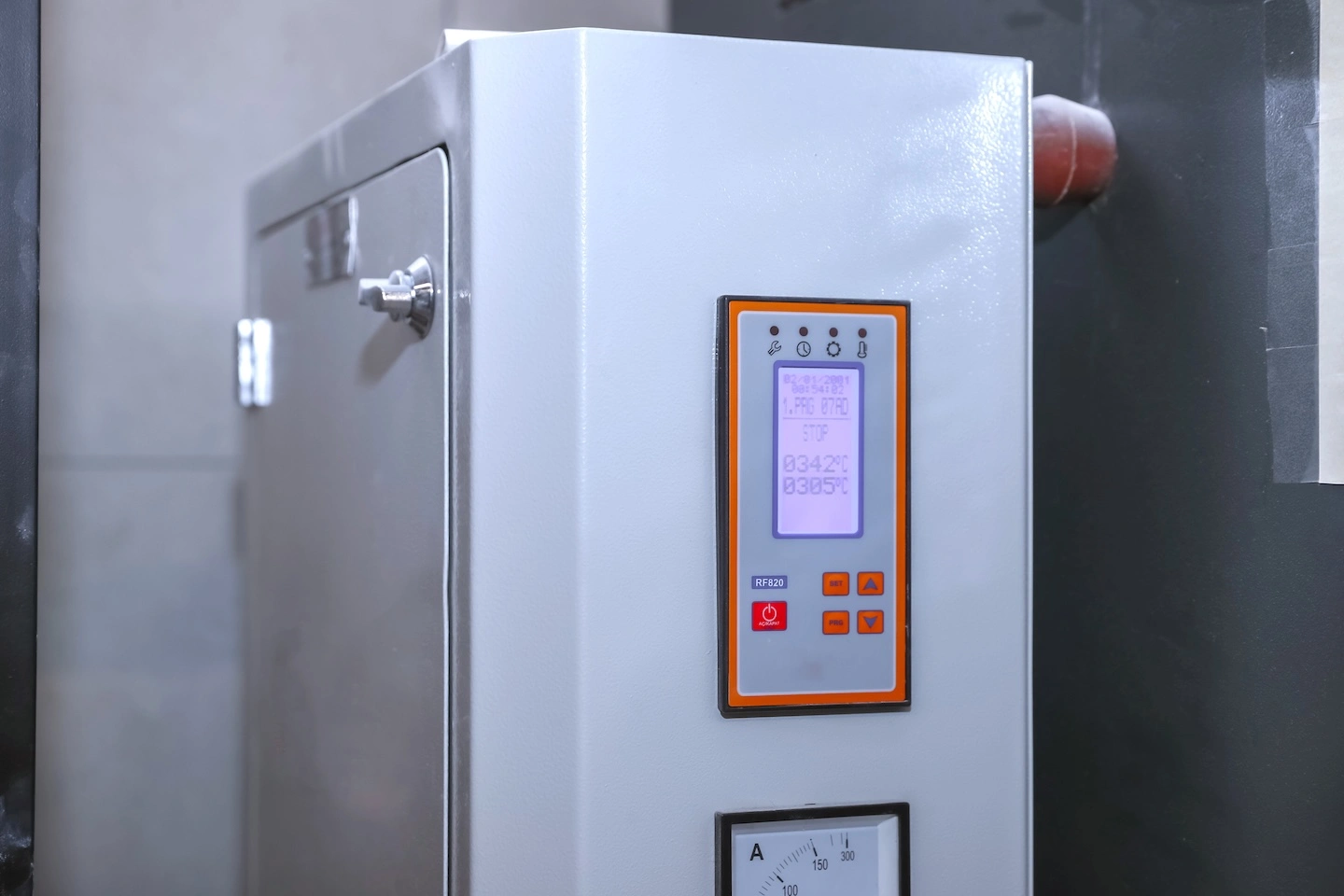
The furnace control board is sometimes described as the brain of the heating system. It manages and coordinates the operation of your furnace’s internal components to ensure your home is heated safely and efficiently.
Without a functioning control board, your furnace would not be able to properly control heating cycles, ignition, or fan operation, and in the worst-case scenario, it would simply not work at all. The board ensures that each step in the furnace’s internal process happens in the correct order and that the built-in safety systems are constantly being monitored.
The control board is responsible for:
- Receiving signals from the thermostat
- Starting the ignition process
- Activating the blower fan
- Monitoring safety switches and sensors
- Shutting the system down if a problem is detected
Because it manages so many processes, a malfunctioning control board can have a knock-on effect, causing a wide range of problems in your furnace. A few common side effects of a malfunctioning board are your system failing to start, cycling on and off repeatedly and unnecessarily, or running the blower fan continuously.
Understanding Your Furnace Control Board
While we here at TemperaturePro highly recommend having a trained professional diagnose any potential issues with your furnace’s internal electronics, there is a definite benefit to having a basic understanding of how the control board works. To that end, below are the basics of what exactly your control board does.
Receives Signals From the Thermostat
The heating process begins when your thermostat detects that the temperature in your home has dropped below the level you previously set. The thermostat then sends a signal to the furnace control board to begin the heating cycle. Once the control board receives that signal, it begins the sequence of operations that safely start the furnace.
Controls the Ignition Process
As you might expect, one of the first steps in the heating cycle is ignition. The control board carefully manages the timing of this process to ensure the gas valve opens only when the system is ready for combustion. Proper timing is critical for both efficiency and safety.
Activates the Blower Fan
The blower fan is what actually pushes the warm air produced by your furnace throughout your home. After the burners ignite and the heat exchanger warms up, the control board signals the blower motor to turn on while also controlling how long the blower fan runs after the internal burners shut off. This is especially important to ensure the blower fan distributes any remaining heat inside your furnace through your home, without running for too long and continuing to blow cold air once the furnace has cooled.
Monitors Safety Sensors
Modern furnaces have multiple safety devices, such as flame sensors, pressure switches, and limit switches, all built into the system itself. These sensors are designed to continuously send information to the control board, so that if the control board detects something abnormal, such as overheated components or a failed ignition attempt, it will shut the system down to prevent damage or unsafe conditions.
Provides Diagnostic Codes
Most modern furnaces include a small LED light on the control board that flashes diagnostic codes, similar to how computers can emit beeping noises to indicate what issues may be to technicians. These blinking patterns allow trained technicians like our team of certified experts at TemperaturePro Tulsa to quickly identify issues during a service call.
If your furnace stops working, the error code displayed on the control board can often point directly to the source of the problem.
When to Call for Professional Assistance
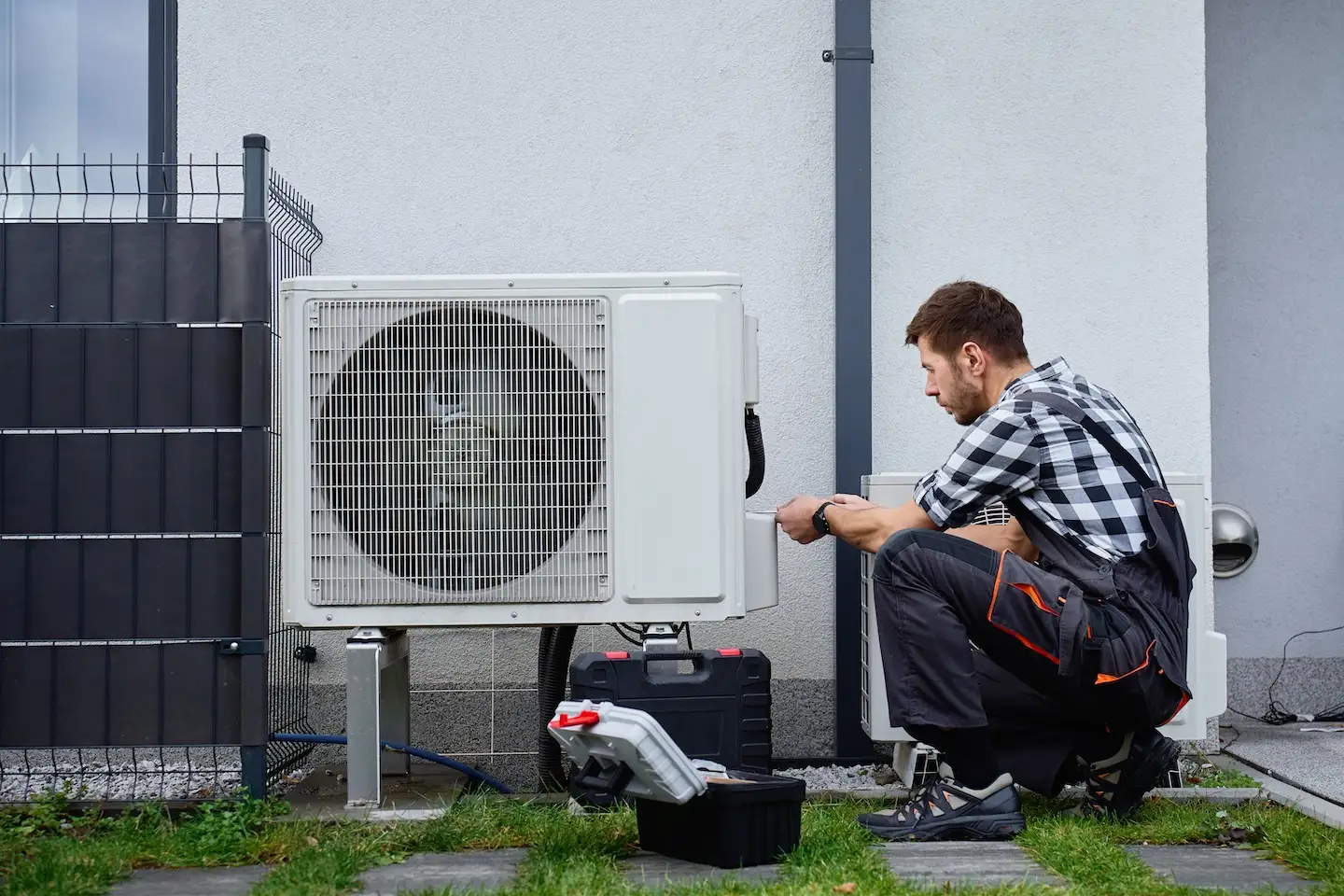
While understanding your furnace control board can help you recognize potential issues, diagnosing, and repairing furnace electronics is not a task we recommend trying yourself. Control boards involve a plethora of electrical components, safety systems, and precise wiring that require professional training to handle correctly to prevent accidental damage, on top of any existing issues.
If you’re noticing issues with your furnace or just want to ensure your heating system is operating efficiently, our team at TemperaturePro Tulsa is here to help with heating inspections and repairs to get your system running as normal once more. Our technicians can inspect your furnace, identify issues, whether they be with the control board or any other internal components, and recommend the best solution to keep your home comfortable.
If you need assistance with your furnace or have further questions not covered here, call us at (918) 215-2643 or contact us online today!
