



Tulsa winters don’t ease in slowly. One week the AC is still running, and the next you’re waking up to a hard freeze with the furnace kicking on for the first time in months. Learning how to prepare your HVAC for winter before that first cold snap hits is what separates a heating system that runs smoothly all season from one that fails on the coldest night of the year, usually with no warning at all. A furnace that’s been sitting idle since spring doesn’t always show problems until it’s asked to run at full capacity, and by then a homeowner is dealing with a no-heat call instead of a routine check.
The good news is that most winter prep comes down to a handful of straightforward steps, plus one professional visit, and TemperaturePro Tulsa is here to walk through exactly what that looks like.
Why Tulsa Winters Are Hard on HVAC Systems
Oklahoma winters swing hard. A 70 degree afternoon can turn into a freeze warning by the next morning, and that kind of temperature whiplash puts real strain on a furnace that hasn’t run in months. Systems that haven’t been checked since last winter often reveal their problems the moment they’re pushed to work, whether that’s a clogged filter restricting airflow, a worn igniter that struggles to catch, or ductwork that’s been quietly leaking conditioned air without anyone noticing.
None of these issues are usually dramatic on their own, but together they add up to higher bills, uneven heating, and a system that works harder than it should.
A Simple Winter HVAC Checklist for Tulsa Homeowners
A few basic steps go a long way toward avoiding a mid winter breakdown.
- Replace the air filter. A dirty filter restricts airflow and forces the furnace to work harder, which shortens its lifespan and drives up energy bills.
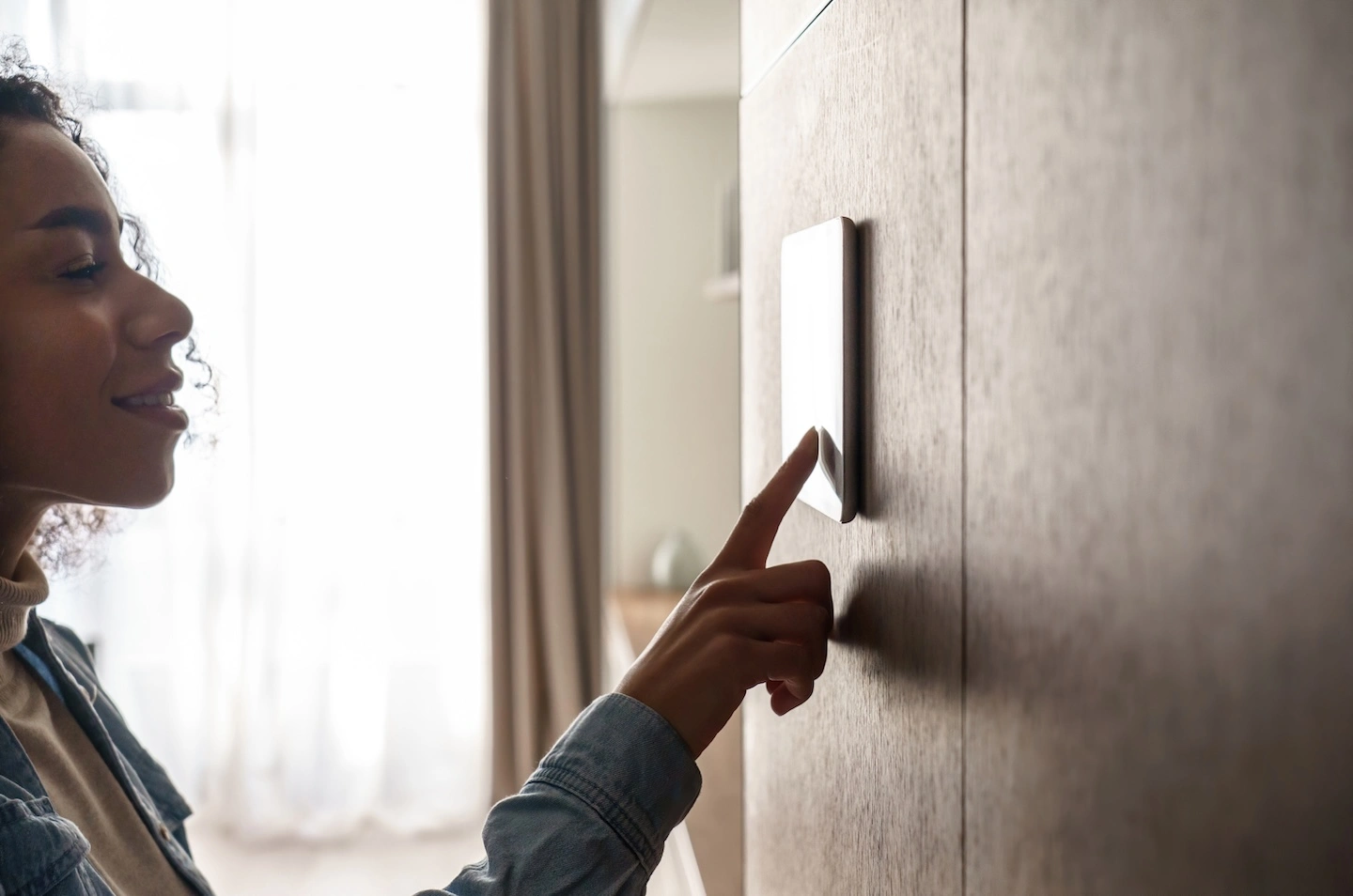
- Test the thermostat. Run the system in heat mode before you actually need it, so a dead battery or a programming issue doesn’t surface on the first cold morning.
- Check for drafts. Gaps around windows, doors, and attic access points let warm air escape and make the furnace run longer than it should to hit the same temperature.
- Clear the area around outdoor equipment. Leaves, debris, and overgrown landscaping around a heat pump or outdoor unit can restrict airflow and reduce efficiency.
- Test carbon monoxide detectors. A furnace that isn’t burning cleanly can produce CO, so working detectors are part of a safe winter setup, not an optional extra.
- Schedule a professional heating maintenance visit before temperatures drop, rather than waiting until something goes wrong.
What Is a Furnace Tune-Up, and What Does Furnace Maintenance in Tulsa Cover?
A furnace tune-up is a scheduled inspection and maintenance visit built specifically to get a heating system ready for the season, rather than a repair call made after something has already broken. Furnace maintenance Tulsa OK homeowners rely on typically means a technician working through the parts that aren’t easy to check on your own: testing the ignition system, checking the heat exchanger for cracks, measuring airflow, cleaning key components, checking gas pressure and burner operation, testing safety controls, and confirming the thermostat and system are communicating correctly. The goal is straightforward: catch small wear before it turns into a bigger repair, and keep the system running at the efficiency it was designed for from the start.

Catching a small issue during a fall visit is what prevents it from becoming an emergency repair in January. TemperaturePro’s technicians work on all makes and models, and every visit comes with honest, upfront pricing rather than a pitch for services that aren’t needed. TemperaturePro’s heating tune-up service is built around this kind of seasonal readiness check, done once a year before the system is put to work. If a furnace hasn’t been serviced recently or is showing signs of wear, furnace service and installation support is available for both repairs and full system evaluations.
Signs Your System Needs Attention Before Winter
A few signals suggest a system needs more than a routine check. Uneven heating between rooms, a furnace that’s noticeably louder than it used to be, energy bills that are climbing without a clear reason, or a system that’s more than a decade old are all worth a closer look. None of these mean the system is failing today, but each one is worth having a technician evaluate before the cold sets in, rather than during the first real freeze of the year.
A Few Common Questions About Winter HVAC Prep
How early should I prepare my HVAC system for winter?
Early fall is ideal, before the first hard freeze hits. It gives enough time to schedule maintenance and address any issues before the system is under real demand.
Can I do winter HVAC prep myself, or do I need a technician?
Basic steps like filter changes and thermostat checks are fine to handle on your own. Anything involving the furnace’s internal components, gas connections, or electrical systems should go to a licensed technician.
How often should a furnace get a tune-up?
Once a year, ideally in early fall, is the standard recommendation for keeping a furnace running efficiently and safely through the winter months.
Ready Your Tulsa Home for the Cold Ahead
A little preparation in the fall saves a lot of trouble in January. Whether it’s a quick filter change or a full furnace tune-up, getting ahead of winter is what keeps a Tulsa home warm without surprises. TemperaturePro Tulsa has served the local community for years with honest recommendations and transparent pricing, and the team is ready to help with everything from routine maintenance to full system evaluations before the cold arrives. Book online for any HVAC service you need.
