



If you’re considering a new heating system or simply upgrading your old one, choosing between a heat pump and a furnace is the first thing you’ll have to do. But what’s the difference between the two, and which is right for your own unique needs?
Both options provide reliable heating, but they operate very differently and perform best under different conditions. Understanding how each system works, along with the costs associated with them, their efficiency, and what they’re best for, can help you make the right choice for your home. In this blog, we’ll break down the differences between the two systems and provide some advice on which one you should go with.
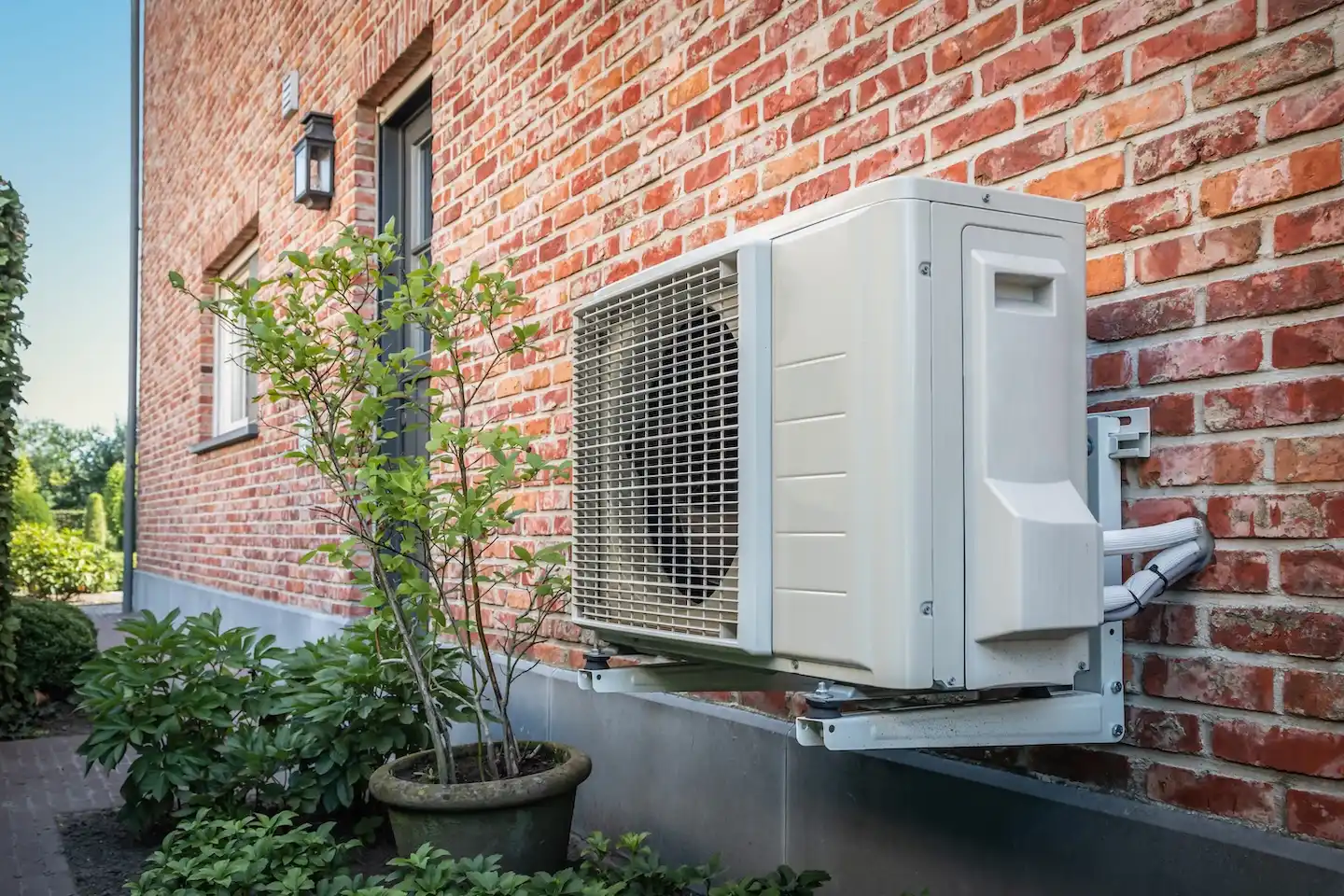
What Is a Heat Pump?
Let’s start by looking at heat pumps. A heat pump is an all-in-one heating and cooling system that uses electricity to transfer heat from one space to another, rather than generate it. During colder months, it pulls heat from the outside air and moves it indoors, while in warmer months, it reverses this process and works like an air conditioner to cool your home.
Because they transfer heat rather than create it, heat pumps can be extremely energy-efficient. So efficient, in fact, that many systems deliver two to three times as much heat energy as the electricity it takes to run them.
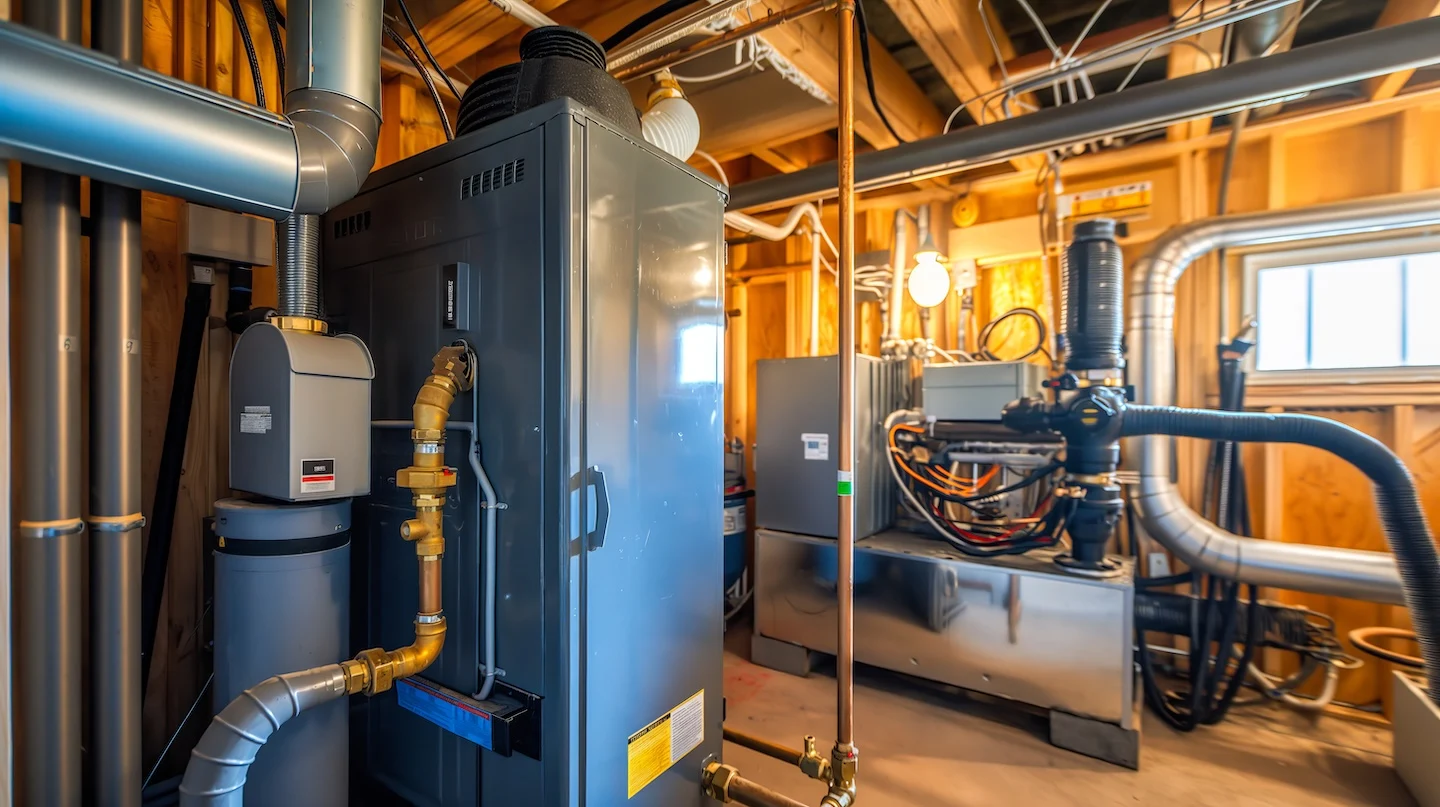
What Is a Furnace?
A furnace, on the other hand, is a heating-only system that generates heat by burning fuels like natural gas, propane, or oil, or otherwise by using electricity. The system then distributes that warm air throughout your home using ductwork throughout the property.
Furnaces are known for producing strong, consistent heat, which makes them especially effective in very cold weather.
Key Differences Between Them
Heating Method
The biggest difference lies in how heat is produced, as we mentioned in the sections above. A furnace creates heat through combustion or electric heating elements, while a heat pump simply transfers existing heat from outside to inside. This makes a heat pump more versatile, as it can both cool and heat your home, whereas a furnace typically performs better in extremely cold conditions.
Energy Efficiency
Heat pumps are generally more energy-efficient because of how they move heat rather than generate it. This allows them to reach efficiency levels well above 100 percent in terms of energy output compared to input.
Furnaces, on the other hand, are rated by AFUE and typically operate at 80-98 percent efficiency, depending on the model.
Climate Performance
How each system type performs in a given climate should play a major role in choosing between the two.
Heat pumps perform best in mild to moderate climates where temperatures rarely drop below freezing. Furnaces, on the other hand, excel in colder climates because they can generate more heat regardless of the temperature outside.
For a place like Tulsa, OK, for example, which experiences both hot summers and moderately cold winters, a heat pump is what we would typically recommend, especially if you’re able to pair it with a backup heat source.
Cost Comparison
Upfront Costs
Heat pumps generally have a higher upfront cost for installation as they replace both a heating and cooling system. Bear in mind, however, that a heat pump installation cost can range widely depending on the size of your chosen system and its overall efficiency.
Furnaces tend to have lower initial installation costs, particularly gas models, which makes them an attractive choice for budget-conscious homeowners.
Operating Costs
Operating costs depend heavily on local energy prices and the climate in which you live.
Heat pumps often have lower monthly costs in milder climates because of their high efficiency. However, even with higher fuel costs, furnaces can be more cost-effective in colder regions, where heat pumps need to work harder to extract heat from the cold air.

Other Considerations
Lifespan and Maintenance
On average, furnaces last 20 to 30 years, while heat pumps last 15 to 20 years.
Both systems require annual maintenance to perform at their best, and this also helps prevent breakdowns. It’s worth noting that heat pumps often experience more wear since they operate year-round for both heating and cooling, whereas furnaces typically lie dormant in the warmer months.
Environmental Impact
Heat pumps are generally more environmentally friendly because they don’t rely on combustion, therefore producing fewer emissions. Furnaces that burn gas or oil release carbon emissions as part of normal operation.
For anyone looking to reduce their carbon footprint, a heat pump is almost always the greener option.
Which Option Is Best for Your Home?
Choosing the right system depends on a few factors, such as your specific needs, budget, and home setup.
A heat pump may be the best choice if you want an energy-efficient system that provides both heating and cooling and is well-suited for homes in moderate climates that don’t often experience extreme cold or heat.
A furnace, on the other hand, might be the better option if you prefer strong, reliable heat on colder days, you already have a separate air conditioning system, or you live in a climate that gets particularly cold in the winter.
Many homeowners today are also choosing dual fuel systems, which combine a heat pump with a furnace. This setup allows you to maximize efficiency in mild weather while still providing powerful, reliable heating when temperatures begin to drop.
Both heat pumps and furnaces offer their own advantages, and when it comes down to it, neither is universally better than the other. If you are unsure about which system is right for your home, call TemperaturePro Tulsa at (918) 215-2643 or contact us online today!
