



Key Takeaways for San Jose Homeowners:
- San Jose requires HVAC permits for most installations, replacements, and system modifications to ensure safety and energy compliance
- Title 24 compliance is mandatory for all permitted HVAC work, setting minimum energy efficiency standards that reduce utility costs and environmental impact
- HERS ratings and testing verify that your HVAC installation meets California energy performance requirements through professional field verification
- San Jose reach codes promote all-electric construction and heat pump adoption, offering rebate opportunities and future-proofing your home
- The permit process involves documentation preparation, online application at sjpermits.org, plan review, and multiple inspections—typically taking 2-6 weeks
- Skipping permits risks voided warranties, insurance problems, failed home sale inspections, safety hazards, and city fines
- Substantial rebates available through San Jose Clean Energy, state programs, and federal tax credits for qualifying high-efficiency and all-electric HVAC systems
- Professional contractors handle compliance so you don’t have to navigate complex regulations—TemperaturePro San Jose manages the entire permit process from start to finish
- Heat pumps are the preferred solution for meeting electrification goals while maximizing comfort, efficiency, and available incentives
- Proper permitting protects your investment by creating official documentation that enhances home value and provides long-term peace of mind
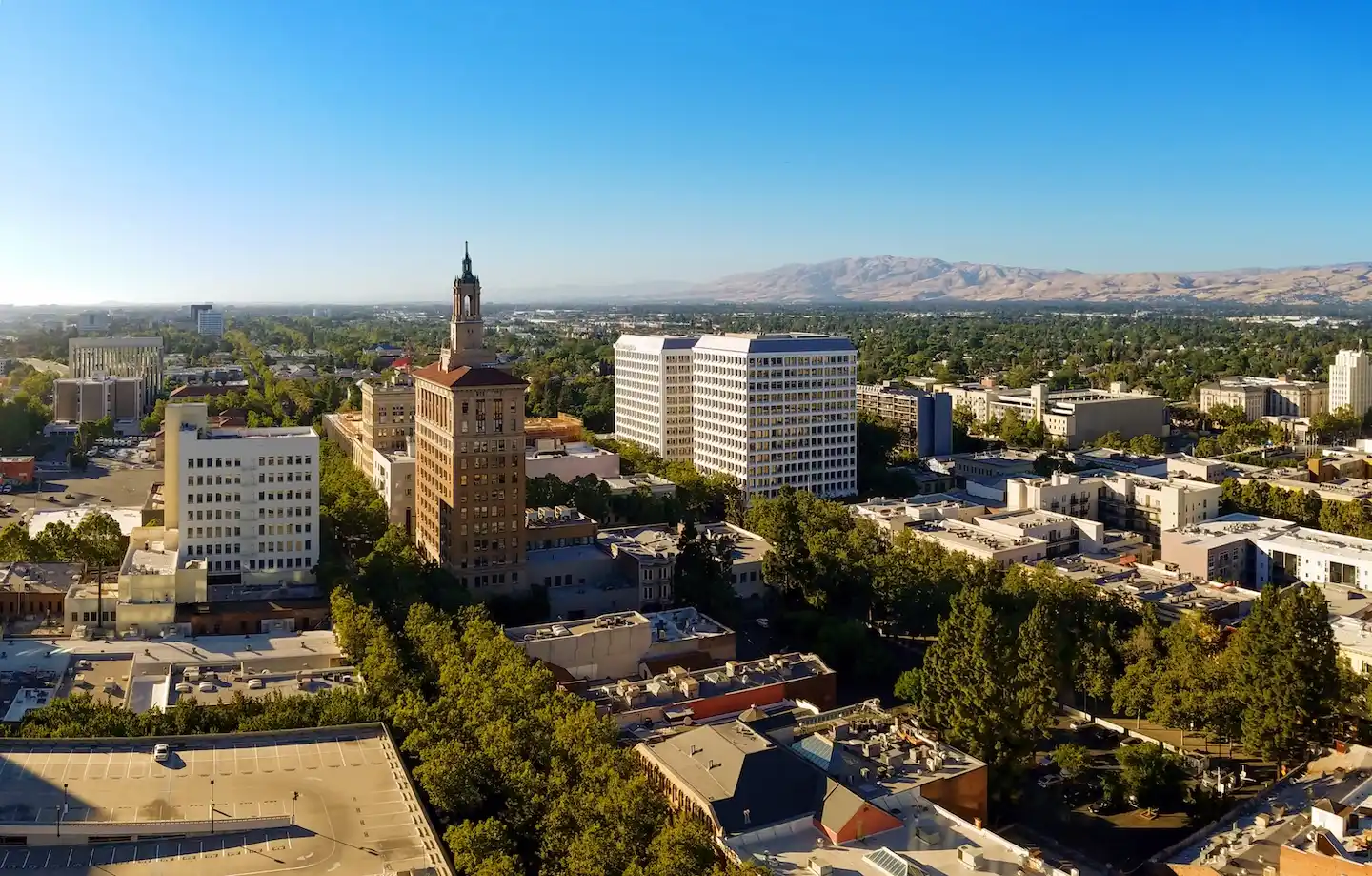
Planning an HVAC installation or replacement in San Jose? Understanding San Jose’s HVAC permits and Title 24 compliance requirements is essential before you start your project. Whether you’re upgrading to a modern heat pump, replacing an aging furnace, or installing a new air conditioning system, navigating California’s complex energy codes, HERS ratings, and local reach codes can easily feel overwhelming.
The good news? You don’t have to figure it out alone. San Jose requires building permits for most HVAC work to ensure safety, energy efficiency, and compliance with the latest California Building Standards. Skipping this step can lead to failed inspections, voided warranties, insurance complications, and serious headaches when selling your home.
At TemperaturePro San Jose, we’re your locally owned HVAC experts serving Silicon Valley and the South Bay. We handle every aspect of the permit process—from Title 24 compliance documentation to final inspections—so you can enjoy a hassle-free installation and long-term peace of mind. Let’s break down what San Jose homeowners need to know about HVAC permits, energy compliance, and how we make it simple.
When Do You Need an HVAC Permit in San Jose?
Projects That Require Permits
San Jose’s Building Division requires permits for most HVAC installations and modifications to protect homeowners’ safety and ensure compliance with energy-efficiency standards. Here’s what triggers the permit requirement:
- New HVAC system installations (furnaces, air conditioners, heat pumps)
- Complete system replacements (replacing both heating and cooling equipment)
- Mini-split and ductless system installations
- Heat pump installations (increasingly popular due to electrification incentives)
- Ductwork modifications, additions, or replacements
- Any electrical, gas line, or venting work connected to HVAC systems
- Rooftop or structural installations (requiring structural calculations)
When Permits Aren’t Required
Minor HVAC maintenance typically doesn’t need a permit:
- Thermostat replacements
- Filter changes
- Routine cleaning and tune-ups
- Small repairs that don’t involve electrical or gas modifications
Attention: When in doubt, it’s always better to check with a licensed HVAC contractor familiar with San Jose requirements. Installing work without proper permits can void equipment warranties and create serious problems during home sales or insurance claims.
Understanding Title 24 Compliance for San Jose HVAC
What Is Title 24?
Title 24 is California’s Energy Efficiency Standards, part of the California Building Standards Code. Updated every three years, these regulations set minimum energy performance requirements for heating, cooling, and ventilation systems. The 2025 California Building Code (effective January 1, 2026) includes the latest Title 24 standards, which San Jose strictly enforces.
For HVAC systems, Title 24 compliance ensures:
- Energy-efficient equipment meeting minimum SEER (Seasonal Energy Efficiency Ratio) and HSPF (Heating Seasonal Performance Factor) ratings
- Proper installation practices, including duct sealing, refrigerant charge verification, and airflow testing
- Documentation requirements proving your system meets or exceeds state standards
- HERS verification for performance modeling and compliance calculations
Title 24 Benefits for San Jose Homeowners
Meeting Title 24 standards isn’t just about regulatory compliance—it genuinely delivers real benefits:
Lower Energy Bills: Energy-efficient HVAC systems can reduce heating and cooling costs by 20-50% compared to older equipment.
Increased Home Value: Documented, compliant installations enhance resale value and appeal to environmentally conscious buyers.
Environmental Impact: Reduced energy consumption means lower carbon emissions and a smaller environmental footprint.
Rebate Eligibility: Title 24-compliant systems often qualify for utility rebates and incentive programs through San Jose Clean Energy.
HERS Ratings: What San Jose Homeowners Need to Know
What Is a HERS Rating?
The Home Energy Rating System (HERS) is California’s official method for evaluating residential energy performance. For HVAC installations requiring Title 24 compliance, a certified HERS rater performs calculations and field verification to ensure your system meets state energy standards.
When Is HERS Verification Required?
HERS involvement is typically required for:
- New construction HVAC installations
- Whole-house system replacements in existing homes
- Installations using performance-based compliance paths
- Projects requiring energy modeling to meet Title 24
Your HVAC contractor should coordinate HERS testing as part of the permit and compliance process.
What HERS Raters Verify
During HVAC installations, HERS raters check:
- Duct leakage testing (ensuring sealed, efficient ductwork)
- Refrigerant charge verification (proper levels for optimal efficiency)
- Airflow measurements (confirming adequate system performance)
- Fan watt draw (verifying energy-efficient operation)
- Equipment specifications (matching installed equipment to permit documents)
The HERS Process Made Simple
At TemperaturePro San Jose, we work directly with certified HERS raters to streamline the compliance process:
- Pre-installation planning: We design systems that will pass HERS verification
- Professional installation: Our technicians follow Title 24 best practices
- HERS coordination: We schedule and facilitate all required testing
- Documentation: We provide complete compliance paperwork for your records
You don’t need to worry about the technical details—we handle everything.
San Jose Reach Codes: Going Beyond State Standards
What Are Reach Codes?
Reach codes are local building requirements that “reach” beyond California’s baseline standards to achieve greater energy efficiency and sustainability goals. San Jose has adopted several reach codes that affect HVAC installations:
San Jose’s HVAC-Related Reach Codes
All-Electric New Construction
New residential buildings must be all-electric, eliminating natural gas infrastructure. This requirement promotes heat pump adoption over traditional gas furnaces.
Solar-Ready Requirements
New construction and major renovations must include solar-ready electrical infrastructure, supporting future renewable energy integration.
Enhanced Electrification Standards
Additions and remodels are encouraged to transition toward all-electric systems, aligning with California’s long-term climate goals.
Why San Jose Adopted Reach Codes
San Jose’s reach codes support the city’s Climate Smart San Jose initiative, aiming to achieve carbon neutrality and reduce greenhouse gas emissions. For homeowners, this means:
- Future-proofing your home against rising natural gas costs
- Access to incentive programs for heat pump and electrification projects
- Increased property value as buyers prioritize energy-efficient, sustainable homes
- Improved indoor air quality by eliminating combustion-based heating
Heat Pumps: The Preferred Solution
San Jose’s reach codes and state electrification trends make heat pumps the ideal choice for many installations. Modern heat pumps provide:
- Efficient heating and cooling in one system
- Compatibility with all-electric requirements
- Eligibility for substantial rebates through San Jose Clean Energy
- Lower operating costs compared to traditional gas furnaces and electric resistance heating
TemperaturePro San Jose specializes in heat pump installations that meet all local reach codes and maximize available incentives.

The San Jose HVAC Permit Application Process
Step-by-Step: How to Get Your HVAC Permit
Understanding the permit process helps set realistic timelines and expectations:
- System Assessment and Design
Your HVAC contractor (like TemperaturePro San Jose) evaluates your home, performs load calculations, and designs a system that meets Title 24 and local requirements. - Prepare Permit Documentation
Required documents typically include:
-Mechanical and electrical plans
-Equipment specifications (cut sheets)
-Load calculations
-Title 24 compliance forms (CF-1R for alterations)
-Contractor license and insurance verification
-Structural calculations (if needed for rooftop installations) - Submit Application Online
San Jose offers a streamlined online permit portal at sjpermits.org for single-family residential projects:
-Create an account
-Upload all required documentation
-Pay permit fees (typically $200-$1,000+ depending on project scope) - Plan Review
The City of San Jose Building Division reviews your submission for code compliance. Accurate, complete applications prevent delays and rejection. - Permit Issuance
Once approved, your permit is issued, and installation can begin. - Inspections
Schedule required inspections during and after installation:
-Rough inspection (before covering ductwork)
-Final inspection (after complete installation)
-HERS verification testing (if required) - Final Approval
After passing all inspections, you receive a final sign-off, creating an official record for warranties and future home sales.
Timeline and Planning
It’s a safe bet to plan for between 2 and 6 weeks for permit approval, depending on your project’s complexity and the current Building Division workload. Virtual inspections are available for certain smaller projects, potentially speeding up the process.
Pro tip: Working with an experienced local contractor who knows San Jose’s specific requirements significantly reduces approval time and prevents costly resubmissions.
Risks of Skipping the Permit Process
Why Proper Permitting Matters
Some homeowners are tempted to skip permits to save money or time. This is a serious mistake that can lead to:
Voided Equipment Warranties
Manufacturers often require permitted, professional installation for warranty coverage.
Insurance Complications
Unpermitted work may not be covered by homeowner’s insurance if problems arise.
Failed Home Inspections
Unpermitted HVAC work discovered during a home sale can derail a transaction or require costly retroactive compliance.
Safety Hazards
Improperly installed systems risk gas leaks, electrical fires, carbon monoxide exposure, and inadequate ventilation.
Fines and Penalties
San Jose can issue stop-work orders and fines for unpermitted construction.
Reduced Home Value
Unpermitted improvements don’t appear in official property records and may reduce buyer confidence.
The Smart Approach
Working with a licensed, insured HVAC contractor who handles all permit requirements protects your investment and ensures long-term peace of mind. At TemperaturePro San Jose, permit management is included in our comprehensive installation service—you’ll never have to worry about compliance details.
Maximizing Rebates and Incentives in San Jose
Available HVAC Incentive Programs
San Jose homeowners have access to valuable rebates that offset the cost of energy-efficient HVAC upgrades:
San Jose Clean Energy Rebates
San Jose’s community choice energy program offers incentives for:
- Heat pump installations
- All-electric HVAC upgrades
- High-efficiency equipment exceeding Title 24 minimums
Check out this website for current rebate amounts and eligibility requirements.
California State Incentives
State programs support:
- Electrification projects
- Low-income household upgrades
- Energy efficiency improvements
Federal Tax Credits
The Inflation Reduction Act provides federal tax credits for qualifying heat pumps and energy-efficient HVAC systems.
How TemperaturePro San Jose Maximizes Your Savings
We help you navigate the complex rebate landscape:
Rebate identification: We identify all programs you qualify for
Application assistance: We provide documentation and support for rebate applications
Equipment selection: We recommend systems that maximize available incentives
Compliance verification: We ensure installations meet all program requirements
Our goal is to reduce your out-of-pocket costs while installing the highest-quality, most efficient HVAC system for your San Jose home.
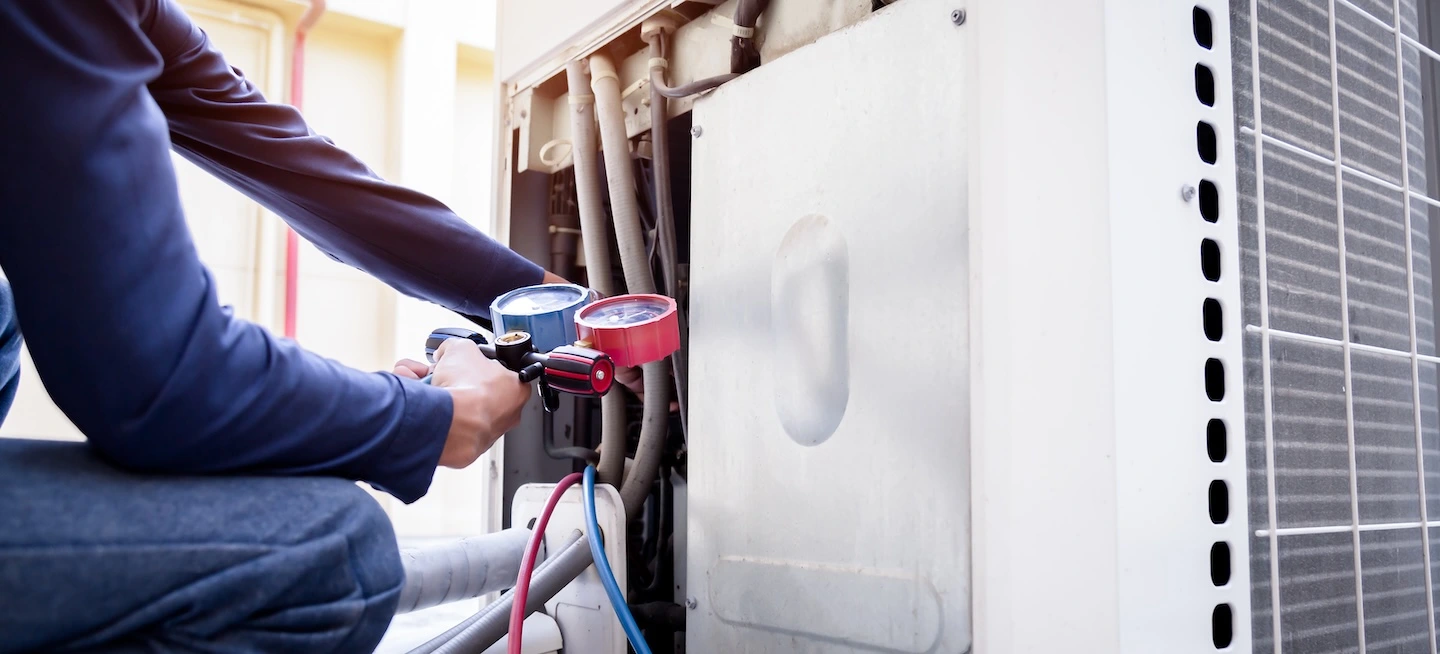
Why Choose TemperaturePro San Jose for Permitted HVAC Installations
Your Local Compliance Experts
As a **locally owned and operated HVAC company** serving San Jose, Silicon Valley, and the South Bay, TemperaturePro San Jose brings deep knowledge of local building codes, Title 24 requirements, and San Jose-specific reach codes.
What Sets Us Apart
Expert Compliance Knowledge
Our team stays current on the latest California energy codes and San Jose regulations, ensuring your project passes inspections the first time.
Full Permit Management
We handle every aspect of the permit process—from initial documentation to final inspections—so you don’t have to navigate complex city requirements.
Electrification Specialists
We’re experts in modern heat pump technology and all-electric HVAC solutions that meet San Jose’s reach codes and electrification goals.
Rebate Maximization
We identify and help you secure all available incentives, reducing your investment while upgrading to superior comfort and efficiency.
Professional Installation
Our non-commissioned technicians focus on quality workmanship and your long-term satisfaction—not sales quotas.
Comprehensive Services
From installation to maintenance, duct cleaning to air purification, we’re your one-stop shop for complete home comfort solutions.
Transparent Communication
We believe in honest, educational guidance. We’ll explain exactly what your project requires, realistic timelines, and transparent costs—no surprises.
Our Proven Process
- Free In-Home Assessment: We evaluate your current system, comfort needs, and home specifications
- Custom Design: We create a Title 24-compliant system tailored to your home and budget
- Permit Preparation: We prepare and submit all required documentation to San Jose Building Division
- Professional Installation: Our certified technicians install your system to the highest standards
- HERS Coordination: We schedule and facilitate all required energy compliance testing
- Inspection Management: We coordinate all city inspections and ensure approval
- Final Documentation: You receive complete records for warranties and future reference
- Ongoing Support: We’re here for maintenance, service, and questions for years to come
Preparing for the 2025 Code Updates
What Changes on January 1, 2026
The 2025 California Building Code becomes effective January 1, 2026, incorporating updated Title 24 energy standards. Key changes relevant to HVAC include:
- Enhanced energy efficiency requirements for heating and cooling equipment
- Stricter duct sealing standards to minimize energy loss
- Low-GWP refrigerant requirements for environmental protection
- Improved ventilation standards for indoor air quality
- Greater emphasis on electrification and renewable energy integration
No Grandfathering for New Permits
All permits submitted after January 1, 2026, must comply with the new 2025 code—there’s no grandfathering for projects in the planning stage. If you’re considering an HVAC upgrade, working with a knowledgeable contractor now ensures your system meets both current and future standards.
TemperaturePro San Jose stays ahead of code changes to ensure every installation we complete is future-proof and fully compliant with evolving California requirements.
Frequently Asked Questions
How much do HVAC permits cost in San Jose?
Permit fees typically range from $200 to $1,000+, depending on project scope, equipment type, and required inspections. Your contractor can provide specific cost estimates based on your project.
How long does the San Jose permit approval process take?
Plan for 2-6 weeks from application submission to permit issuance, depending on project complexity and current Building Division workload. Complete, accurate applications expedite approval.
Can I apply for an HVAC permit myself, or does my contractor need to do it?
While homeowners can technically apply for permits, licensed HVAC contractors have the technical knowledge and experience to prepare compliant documentation, thereby significantly reducing the risk of rejection and delays.
Will I need to be home for HVAC inspections?
Typically, yes, or you’ll need to arrange access for the inspector. Your contractor should be present to address any technical questions during inspections.
Do mini-split systems require permits in San Jose?
Yes, mini-split and ductless HVAC installations require permits and must meet Title 24 energy standards just like traditional ducted systems.
What happens if I sell my home with unpermitted HVAC work?
Unpermitted work discovered during home inspections can derail sales, require expensive retroactive permitting, or result in reduced sale prices. Proper permitting from the start protects your investment.
Are heat pumps required in San Jose?
While not universally required for existing home replacements, San Jose’s reach codes require all-electric new construction. Heat pumps are the most efficient all-electric heating and cooling solution and qualify for substantial rebates.
Conclusion: Stress-Free HVAC Compliance in San Jose
Navigating San Jose HVAC permits, Title 24 compliance, HERS ratings, and local reach codes doesn’t have to be overwhelming. Understanding these requirements protects your investment, ensures safety, maximizes energy efficiency, and positions your home for long-term value.
The key is working with a trusted local HVAC expert who knows San Jose’s specific requirements inside and out. At TemperaturePro San Jose, we handle every aspect of the compliance process—from permit applications to final inspections—so you can focus on enjoying improved comfort, lower energy bills, and peace of mind.
Whether you’re replacing an aging system, upgrading to an efficient heat pump, or planning new construction, we’re here to guide you through every step with transparent communication, expert craftsmanship, and honest service.
Ready to start your compliant HVAC project? We’ll evaluate your home, explain your options, identify available rebates, and create a custom solution that meets all San Jose requirements while delivering superior comfort and efficiency.
Call us today or visit our website to schedule your free consultation. Your trusted local partners for smarter, more comfortable, and healthier San Jose homes.
About the Author:
This guide was prepared by the HVAC experts at TemperaturePro San Jose, a locally owned and operated heating, cooling, and indoor air quality company serving San Jose, Silicon Valley, and the South Bay area. Our certified technicians specialize in Title 24-compliant installations, heat pump systems, energy-efficient upgrades, and comprehensive permit management for residential HVAC projects. With deep knowledge of California energy codes and San Jose building requirements, we’re committed to delivering transparent, educational guidance and superior home comfort solutions to our community.
