



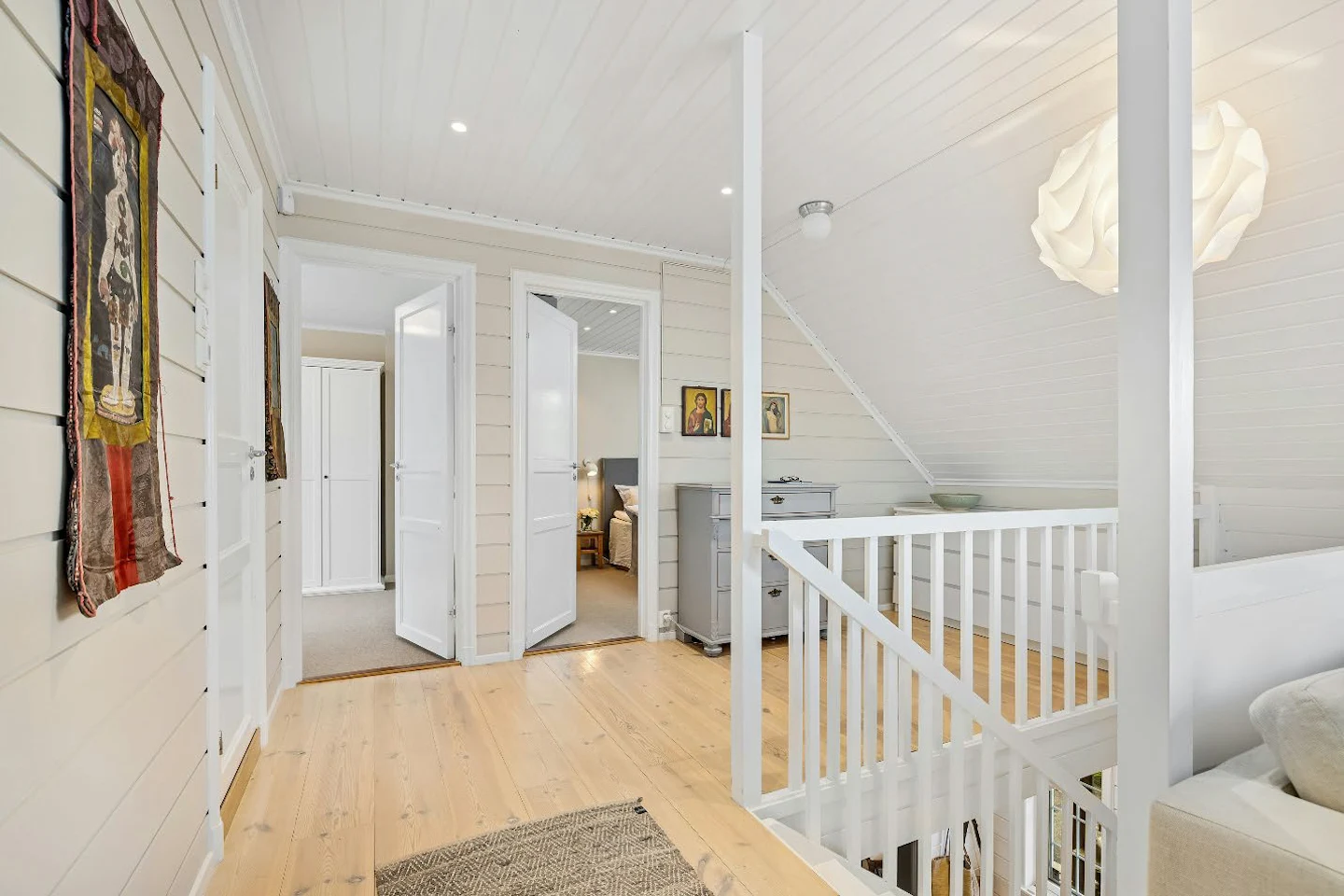
One of the most common complaints we hear from Austin and Round Rock homeowners is that their upstairs living space feels like a completely different climate zone. Excessive temperature differences between floors can often indicate airflow, insulation, ductwork, or HVAC system issues that may need professional attention. If your upstairs is consistently hotter than downstairs, your home may have airflow, insulation, or ductwork issues that should be evaluated.
1. Heat Rises Naturally
Warm air rises naturally. Heat from your roof and attic can transfer into the upper level of your home and is most noticed during the summer months. This makes it harder to keep your upstairs cooler. Although this is a normal part of home physics, an HVAC system can still support a reasonable comfort level throughout your home. The rise of heat is only part of the problem.
2. Do You Have Poor Airflow on Your Second Floor?
When upstairs vents aren’t delivering enough air conditioning, rooms struggle to cool properly. Rising warm air can stay trapped in the upper parts of your home if your upstairs doesn’t have proper airflow or if your attic isn’t properly ventilated. Attic ventilation can reduce hot, humid air from being trapped, helping reduce energy costs. Consider a professional airflow assessment to determine whether your system is delivering adequate airflow to each room. It’s also a good idea to have second-story vents professionally cleaned, as dust and debris can restrict airflow over time.
Common causes of poor airflow include:
- Airflow and ventilation issues
- Dirty filters that restrict airflow
- Faulty ductwork
3. Is Your Ductwork Leaky or Damaged?
Ductwork systems carry cool air through your home. Leaking, disconnected, or poorly insulated ductwork can prevent conditioned air from reaching your upstairs rooms.
Signs of ductwork issues:
- Weak airflow from vents upstairs
- Temperature fluctuations from the first to second floor
- Higher than usual utility bills
- Excessive dust around vents
- Unusual noises from vents or ducts (hissing, whistling, or rattling)
Consistent maintenance can extend duct life and improve comfort and air quality. Sealing leaks, cleaning ducts, can help find hidden airflow concerns.
4. When’s the Last Time You Checked Your Attic Insulation?
Acting as a barrier between your living space and the intense Texas heat is your attic. Insufficient insulation allows heat to transfer into upstairs rooms. Improving attic insulation and ventilation can significantly reduce the heat gain in upstairs rooms. The result is reduced strain on your HVAC system and improved energy efficiency.
5. Do You Have the Correct Size HVAC System for Your Home?
If cooling problems persist, it may be time to evaluate whether your HVAC system is properly sized for your home. An undersized air conditioner is a common cause of uneven cooling between floors.
However, if your system is oversized, it can cycle on and off too quickly, which will reduce its ability to maintain consistent temperatures in your home. Consider a professional evaluation to determine whether your system is appropriately sized for your home’s square footage and layout.
6. Have You Heard of a Zoned HVAC System?
An HVAC zoning system divides your home into separate temperature zones. It does this by using individual thermostats and duct dampers, which direct cooling to where it’s needed most. You can improve comfort and efficiency, as well as reduce energy waste by creating customized temperature zones throughout your home. One of the best things about HVAC zoning is that you don’t need a completely new system. It is a smart upgrade as it works with your existing HVAC to add zone control panels, dampers, and thermostats.
Zoning benefits include:
- Customized temperature control
- Improved energy efficiency
- Greater comfort throughout the home
If you find yourself uncomfortable after changing filters and checking vents, it’s time to call a professional for a further inspection. A technician can identify airflow restrictions, duct issues, insulation concerns, and zoning opportunities to help restore comfort throughout your home. The experienced technicians at TemperaturePro Round Rock can evaluate your system and recommend solutions specific to your home needs.
Regular HVAC maintenance can also help prevent airflow problems that contribute to uneven temperatures between floors. During a professional tune-up, technicians inspect filters, airflow, duct connections, and system performance.
Schedule an HVAC Evaluation Today
You don’t have to spend another summer avoiding your upstairs rooms. Our team is ready to assist you. TemperaturePro Round Rock can help pinpoint the source of the problem. From airflow testing and duct inspections and zoning solutions, our technicians can restore comfort throughout your home. Contact us to schedule an inspection.
