



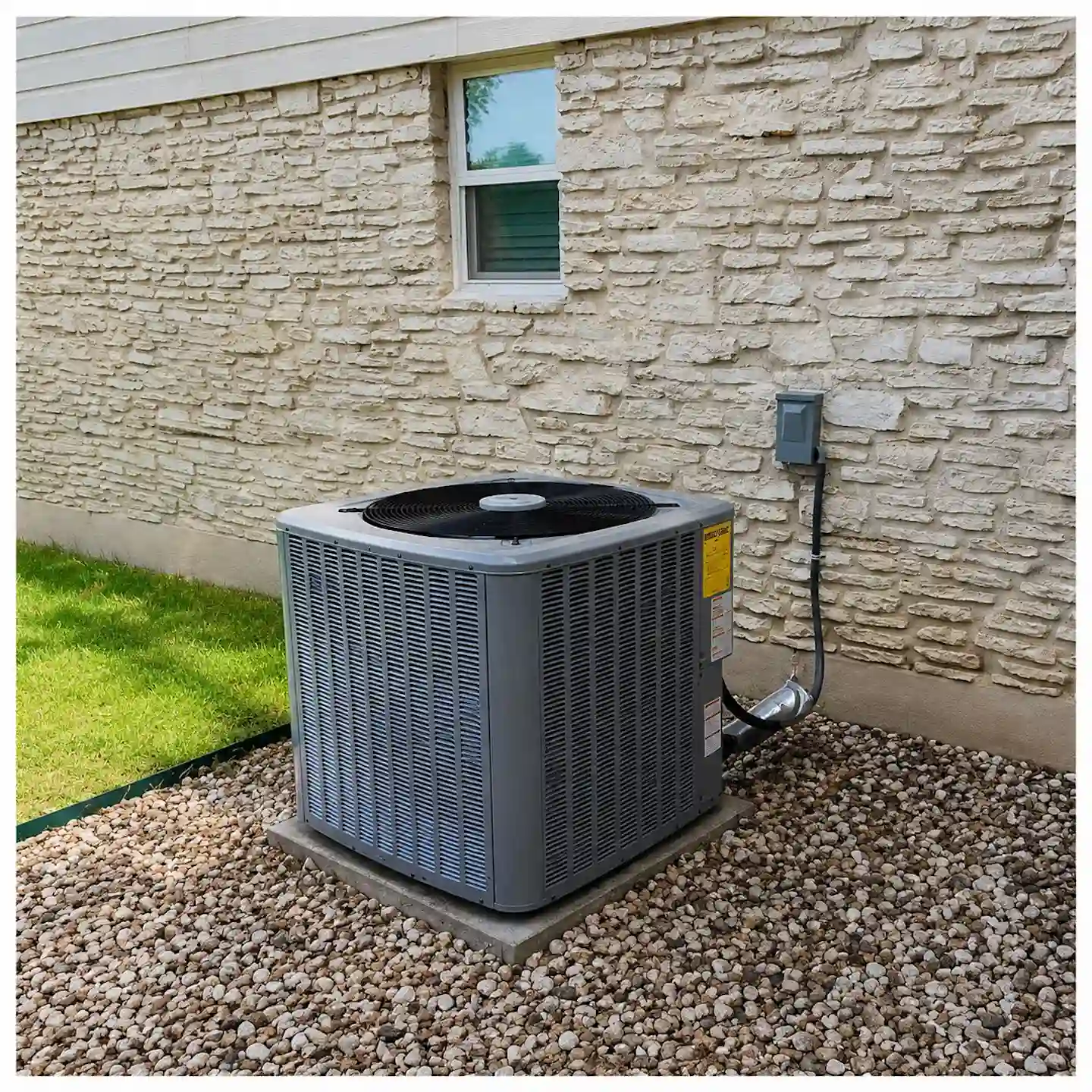
During the hot Central Texas summer months, it’s not unusual for homeowners in Round Rock, Georgetown, Austin and the surrounding communities to notice their air conditioner running longer than usual. Meanwhile, your electric bill continues to climb. Even if you’ve been keeping up with a regular maintenance schedule for your air conditioning unit at some point you may ask yourself if it’s time for a new one.
Did you know?
High-efficiency HVAC systems generally have higher SEER2 ratings than older systems, which allows them to deliver the same level of cooling while using less electricity.
1. What Makes an HVAC System “High Efficiency?”
A high-efficiency HVAC system cools your home more intelligently. By adjusting output based on your home’s cooling needs the system can help maintain a more consistent temperature and use less electricity over time.
A high-efficiency HVAC system also often includes features such as variable-speed compressors, variable-speed blower motors, and communicating thermostats. These units can adjust their output to match your home’s cooling needs without turning on and off constantly like older single-stage systems.
Savings also depend on several other factors such as the age of your current system, your home’s insulation, ductwork, thermostat settings, and the quality of the installation. When considering a new HVAC system replacement make sure to look at the SEER (Seasonal Energy Efficiency Ratio) rating. A higher SEER2 rating means the system can provide the same amount of cooling while using less electricity.
2. Signs It May Be Time to Upgrade
Some signs that it may be time to consider a new unit are frequent repairs, the age of your system, rising energy bills, unusual noises or odors, leaks or moisture buildup, thermostat or control issues, short cycling and/or constant running. As components begin to wear out, repair costs can quickly add up. If you have found yourself experiencing more of these issues, it may be time to replace your unit.
3. How Much Could You Actually Save?
Replacing an older air conditioning system with a properly sized high-efficiency unit can greatly reduce cooling costs, especially when combined with good insulation, sealed ductwork, and regular maintenance. Exact savings vary, but homeowners with systems that are 15 years old or older often notice reductions in monthly utility bills after upgrading.
4. Why Do Homeowners Notice the Difference?
High-efficiency HVAC systems tend to operate more quietly, reduce temperature fluctuations between rooms, and create a better and more even level of comfort throughout the home. Although lower energy bills are often one of the primary reasons homeowners may choose to switch to a high-efficiency HVAC system.
Another advantage of a new system is improved humidity control. Lower humidity can make your home feel cooler and more comfortable, without lowering your thermostat. This creates a more pleasant living environment.
5. Decision Guide: Repair vs. Replace
To understand what happens during the replacement of your HVAC system it is wise to ask a licensed HVAC technician for a home evaluation and load calculation. This will help to determine the right size system for your home. Also consider that if a repair cost approaches half the value of your current system, replacement can be the most effective long-term investment.
During an evaluation, the technician will inspect more than just the outdoor unit. They will look at airflow, ductwork, insulation, refrigerant levels, and overall system performance. All these factors will help determine whether a repair or replacement of the system will provide better long-term value.
Decision Checklist
- Your HVAC system is 12-15 years old or older.
- You’re scheduling repairs every cooling season.
- Energy bills continue to increase.
- Your home has hot or cold spots.
- Your system still uses an older refrigerant.
- Your AC runs constantly during hot afternoons.
6. When It May Not Be Worth the Upgrade Yet
A high-efficiency HVAC system may not be the right choice for you yet. A professional inspection can help determine whether repairs or efficiency improvements would provide better value. In some cases, improving your home’s insulation, sealing air leaks, repairing leaky ductwork or upgrading to a programmable smart thermostat can improve comfort without replacing the entire system.
7. When to Call a Professional
Scheduling a professional HVAC inspection is the best first step if you’re unsure whether your current system should be repaired or replaced. The technician can evaluate your equipment, inspect ductwork, perform a load calculation and explain if your system is operating efficiently as well as recommend options that fit your home’s size, comfort needs, and budget. Some real savings you can expect to see if you decide to replace your HVAC unit are lower energy bills, more consistent comfort, better air quality, smarter control at your fingertips, and less maintenance stress.
FAQs
How long does a high-efficiency HVAC system last?
Most systems last 15-20 years with regular maintenance.
Can a new HVAC system lower my electric bill?
If you’re replacing an older, inefficient unit, it can. Savings also depend on your home’s insulation, ductwork, thermostat setting, and installation quality.
How do I know what size HVAC system I need?
Ask your HVAC Contractor if they perform a Manual J residential load calculation. This is an industry-standard assessment that considers your home’s size, insulation, windows, ductwork, local climate and other factors to ensure the right size HVAC system for your home.
When should I call an HVAC professional?
Investing in a high-efficiency HVAC system can be a great investment for homeowners dealing with rising utility bills, inconsistent comfort, or an aging air conditioner. Each home is different. The best way to know if it’s the right time for you to replace your old system is to have your current one professionally evaluated.
We understand that replacing your HVAC system is a significant investment. The technicians at TemperaturePro Round Rock can inspect your current equipment, explain your options and recommend the best solution for your home and budget. Contact us today to schedule your HVAC evaluation.
