



As families across Round Rock and Central Texas prepare backpacks, school supplies, and busy schedules for another school year, it’s easy to overlook one important part of your home. Your HVAC system.
A few simple maintenance tasks can help keep you comfortable, improve energy efficiency and reduce the risk of unexpected breakdowns. Use this back-to-school HVAC checklist to keep your family comfortable while getting back into a regular routine.
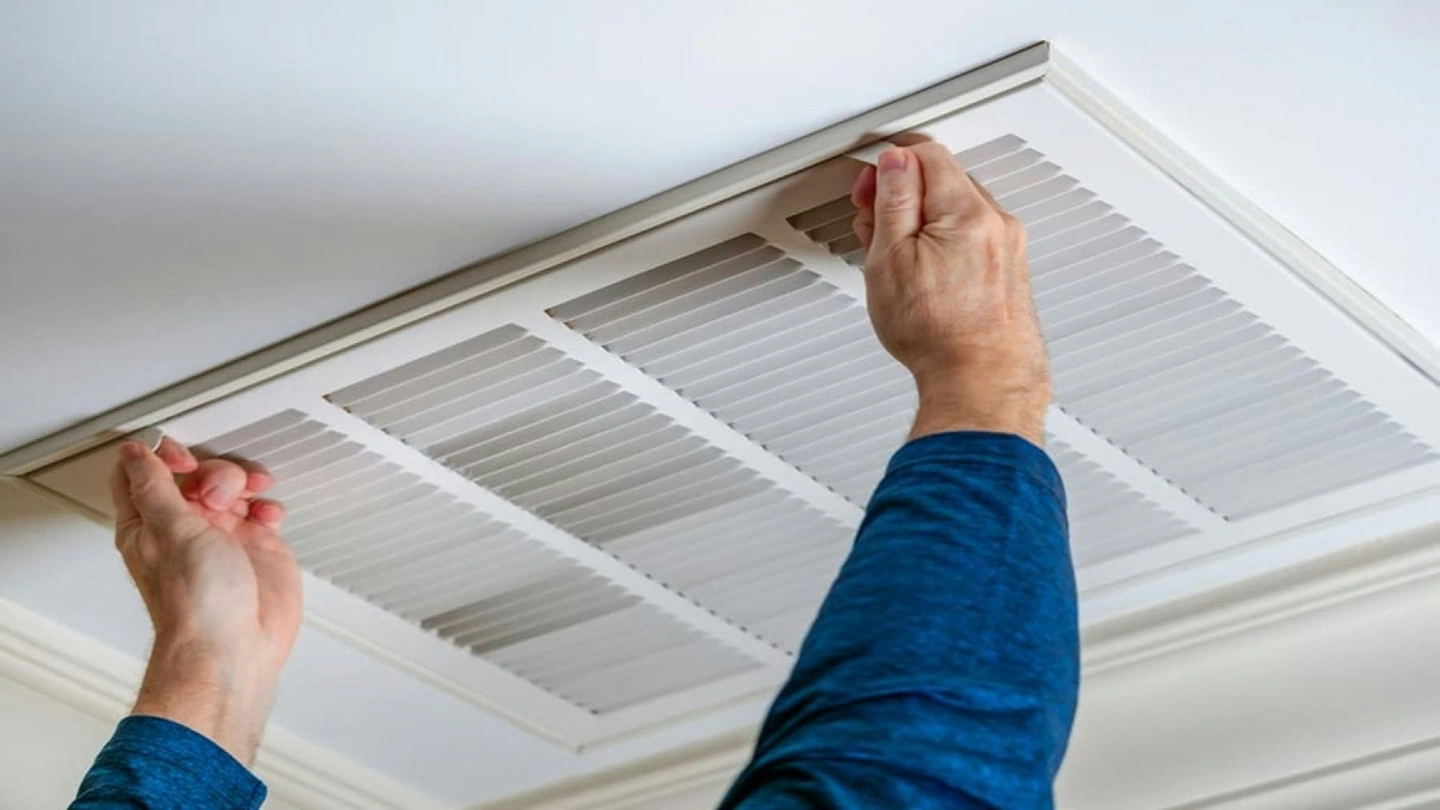
1. Replace Your HVAC Filter
One of the simplest ways to improve your HVAC’s system performance is by replacing a dirty air filter. Air filters collect dust, pollen, pet dander and other airborne particles. If your air filter isn’t changed regularly, your air conditioner works harder to circulate conditioned air throughout your home.
Dirty filters can also worsen allergies and reduce indoor air quality, which can exacerbate health conditions for certain family members with asthma or other respiratory conditions.
In Texas air conditioners work hard for months at a time during the summer, making regular filter replacement one of the easiest and most important maintenance tasks you can perform.
2. Adjust Your Thermostats for the School Schedule
Summer often means more time spent at home, but once school begins, many homes sit empty for several hours during the day. Adjusting your thermostat to match your family’s new routine can help reduce unnecessary energy use without sacrificing comfort.
According to the U.S. Department of Energy, setting your thermostat back 7 to 10 degrees for at least eight hours each day can save up to 10% annually on heating and cooling costs. If you own a programmable or smart thermostat, now is the perfect time to update your schedule.
As you begin to plan for HVAC maintenance, there are plenty of resources for homeowners that can help guide you with many common home maintenance needs. Check with your local hardware store or Home Depot, as they typically have workshops that are open to the public.
3. Check Your Vents and Airflow
Proper airflow allows your HVAC system to cool your home more efficiently and helps prevent uneven temperatures from room to room. Before the school year begins, walk through your home and check that no vents are blocked by furniture, rugs, backpacks or other items.
If you notice weak airflow or that certain rooms are consistently warmer than others, it could indicate a larger airflow problem that may require professional attention. Taking a few minutes to inspect your vents can help improve your home comfort while reducing unnecessary strain on your HVAC system.
4. Check Your Outdoor AC Unit
Let’s talk about your outdoor unit. The outdoor condenser unit needs plenty of airflow to operate efficiently. Summer storms, grass clippings, leaves, and landscaping debris can collect around the unit throughout the season.
To help maximize airflow it’s important to remove debris and maintain 2 to 3 feet of clearance around the equipment. Keeping this area clean not only improves efficiency but also makes it easier for technicians to inspect and maintain your system during routine service visits.
5. Schedule Preventative HVAC Maintenance
While homeowners can handle several basic maintenance tasks, a professional HVAC tune-up provides a more thorough inspection of your system.
During a preventative maintenance visit, a technician can:
- Inspect electrical connections
- Check refrigerant levels
- Clean evaporator coils
- Inspect the condensate drain
- Test overall system performance
- Identify worn components before they become costly repairs
Scheduling maintenance before fall arrives helps to ensure your HVAC system is ready for the changing seasons while reducing the chance of unexpected breakdowns.
6. Create a Healthier Home Environment
Not every HVAC problem starts with a major breakdown. In many cases, small issues develop over time and most go unnoticed until they affect your system’s performance. Annual maintenance helps identify these problems early, giving you the opportunity to address them before they become more expensive repairs.
If you’ve noticed more dust collecting around your home, worsening allergies, or poor airflow, your HVAC system may need attention. Regular maintenance helps support healthier indoor air by:
- Improving air filtration
- Reducing mold and bacteria growth
- Increasing airflow throughout your home
- Helping regulate indoor humidity
- Removing contaminants that circulate through your HVAC system
A clean, properly maintained HVAC system can help create a healthier and more comfortable environment for everyone in your home.
Quick Back-to-School HVAC Checklist
- Replace air filter
- Program thermostat
- Make sure vents aren’t blocked
- Clear debris around outdoor unit
- Schedule maintenance
- Listen for unusual noises
- Check batteries in thermostat
As families settle back into school routines, taking a little bit of time to care for your HVAC system can make a big difference in your home’s comfort, efficiency, and reliability. Many of these maintenance tasks take only a few minutes, but they can help reduce energy costs, improve indoor air quality, and extend the life of your HVAC system.
Spring and fall are the recommended times to schedule preventive HVAC maintenance. Scheduling maintenance during March through May and again from September through November helps ensure your system is ready before periods of peak demand. Annual preventive maintenance will not only help you beat the booking rush but can help prevent breakdowns before your system begins to work at maximum capacity.
If you’re ready to schedule professional HVAC maintenance, the experienced team at TemperaturePro Round Rock is here to help. We’ll inspect your system, identify potential issues before they become costly repairs, and help your home comfortable through the rest of the Texas heat and beyond. Don’t wait until your air conditioner stops working during the hottest week of summer. Schedule your annual HVAC maintenance with TemperaturePro Round Rock today and enjoy greater efficiency, lower energy costs, and peace of mind knowing your system is ready for the Texas heat.
