



A furnace is designed to operate fairly quietly in the background, providing consistent warmth without drawing attention or making noises beyond the usual sounds of fans blowing and the system turning on. If your system starts making unusual noises, it could well be a sign that something is not working as it should. While some sounds are completely normal, others can indicate anything from minor issues to serious mechanical problems that need to be addressed.
Understanding furnace noise issues, what’s normal, and when to call a professional can help you take the right steps before a small concern turns into an expensive furnace repair.
What Furnace Noises Are Normal
Not every sound coming from your furnace is a cause for concern. In fact, a low humming noise during operation is completely normal and simply indicates that the system is running properly. You may also hear a clicking sound when the furnace starts, or slight popping noises as the ductwork expands and contracts with temperature changes after the system has run for a while.
These sounds are part of normal operation and usually do not require any action. However, if these noises suddenly become louder, more frequent, or unusual, it may be time to investigate further.
Common Furnace Noises and What They Mean
If you begin to hear sounds that aren’t part of the furnace’s normal operation, you’ll want to take them seriously to avoid things from getting worse. Different sounds often point to specific issues within your heating system, and identifying the type of noise in question can help you to narrow down the root cause.
Banging or Booming
A loud bang when your furnace starts can indicate delayed ignition. This happens when gas builds up before igniting, causing a small explosion inside the system. This issue can understandably be dangerous and should be addressed immediately by a professional technician.
Buzzing or Humming
While a soft hum is normal, a loud buzzing noise is not. This can be caused by a variety of electrical issues, the most common being a failing capacitor, a loose transformer, or problems with the blower motor.
Squealing or Screeching
High-pitched noises often point to issues with the blower motor or worn bearings. Over time, these components can wear down and require lubrication or replacement. Fortunately, worn bearings are typically an inexpensive and easy fix.
Rattling or Clanking
Rattling sounds are typically caused by loose parts, panels, or components inside the furnace. In some cases, debris may have entered the system. While this may seem minor, ignoring it can cause more significant damage from debris and pose a potential fire hazard.
Whistling
A whistling sound usually indicates an airflow problem. This could be due to a dirty air filter, blocked vents, or duct leaks restricting proper air circulation. Typically, these issues are unlikely to cause further damage, but they should still be inspected at your earliest convenience.
When to Call a Professional
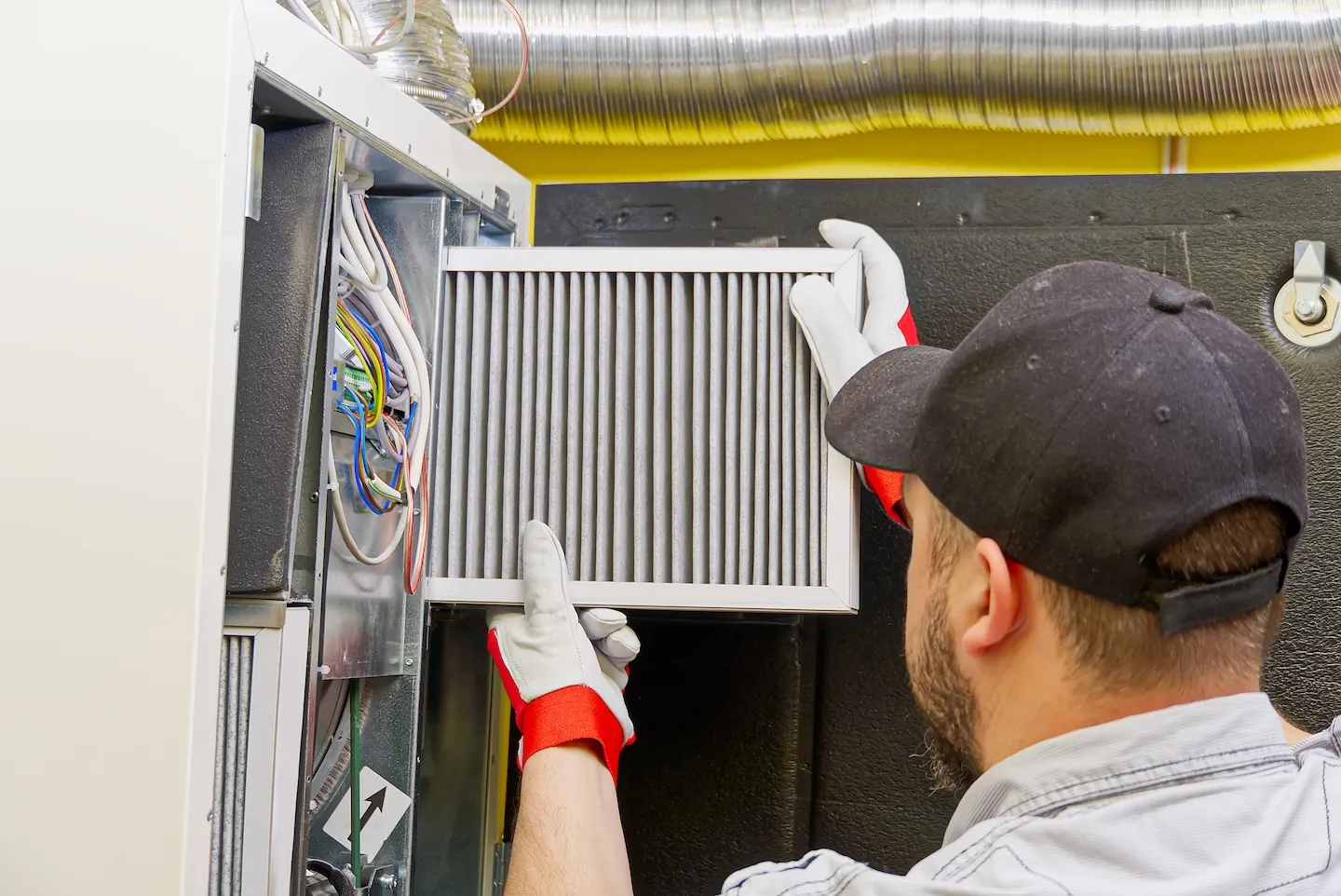
While some minor issues, like replacing an air filter, can easily be handled by homeowners, furnace noises typically require professional attention. You should contact an HVAC technician like our expert team at TemperaturePro if:
- The noise is loud, sudden, or getting worse
- You hear banging or booming sounds
- The furnace is not heating properly
- There are signs of electrical issues
- The system frequently turns on and off
Delaying repairs can lead to more extensive damage and higher repair costs. In some cases, as we mentioned above, issues like a delayed ignition can pose safety risks and should be addressed immediately. At TemperaturePro, we offer 24/7 emergency service for issues just like this, because your safety is our priority.
Preventing Furnace Noise Problems
The best way to avoid furnace noise issues is through regular furnace maintenance and inspections. Simple steps can make a big difference in keeping your system running quietly and efficiently.
Changing air filters regularly is also essential, as replacing them every 1 to 3 months helps your system maintain proper airflow and reduces overall strain.
Keeping vents and ducts clear ensures proper air circulation, so make sure vents are not blocked by furniture or debris and have ductwork inspected if you notice persistent noises.
Finally, don’t ignore any small issues that come up. It can be easy to let minor things slip past, thinking that you’ll deal with them later, but when you notice a new or unusual sound, early intervention can save you from an expensive repair bill if things get worse.
Furnace noise issues are more than just annoying; they’re often early warning signs that your heating system needs care and attention. By understanding what different sounds mean and acting quickly, you can protect your furnace, improve efficiency, and maintain a comfortable home.
If you’ve noticed your furnace making strange noises, or if you still have questions that weren’t addressed in this guide, call us at (269) 201-5338 or contact us online!
